

SEO is always changing. What worked some years ago doesn’t always work the same today. Because of that, many website owners are now trying to understand how to use video to improve your SEO in a practical way. One thing that has clearly become important though is video content. If you look at search results now, you’ll notice that many pages include videos, and sometimes Google even shows video results before normal websites.
People today just consume content differently. Some prefer reading long articles, but honestly a lot of people would rather watch a quick video instead of reading everything. That’s exactly why learning how to use video to improve your SEO has become more relevant for bloggers, marketers, and businesses. Video makes information easier to understand and more engaging for users.
When used the right way, video can help improve rankings, increase traffic, and keep visitors on your website longer. That’s one of the main reasons many marketers are now focusing on how to use video to improve your SEO instead of relying only on written content. But just adding random videos everywhere won’t magically improve your SEO. It needs to be done properly.
So the real question isn’t just about using video, it’s about understanding how to use video to improve your SEO in a smart and practical way. Let’s go through how video actually helps and how you can use it effectively.
Why Video Helps SEO
First thing to understand is why search engines care about video at all.

One simple reason is engagement. If someone opens your page and watches a 3-minute or 5-minute video, they stay on your website longer. That extra time tells search engines that your page might be helpful.
Imagine two pages about the same topic. One page has only text and people leave after 20 seconds. Another page has a video and users stay for a few minutes watching it. Google notices that behavior.
So naturally, the second page looks more valuable.
Another reason is sharing. People share videos more often than plain text articles. A useful or interesting video can spread on social media quickly, and that sometimes leads to backlinks too.
Backlinks are still a big factor in SEO.
Also, since Google owns YouTube, video content is deeply connected with search results.
Create Videos That Actually Help People
A lot of beginners think they should just add any video to their website. But that’s not really the point.
The video should actually help the visitor understand something better.
For example, if your article explains something complicated, a short video demonstration can make things clearer.
Some good types of videos for SEO include:
- Tutorials
- How-to videos
- Product demonstrations
- Reviews
- Explainer videos
- Simple guides
For example, if you run a cooking blog, you could write a recipe article and also show a short video of the cooking process. Some users will read the steps, while others will watch the video.
Both types of users stay on your page longer.
Use YouTube and Your Website Together
A smart approach many websites use is uploading videos to YouTube first and then embedding them into blog posts.
This works well for a few reasons.
First, YouTube itself gets billions of searches every month. Many people search directly on YouTube instead of Google.
Second, embedding a YouTube video in your article improves the page experience without making your website heavy.
Hosting videos directly on your site can slow it down if the files are large. Using YouTube avoids that problem.
Plus you might get traffic from both places:
- Google search
- YouTube search
So basically your content has two chances to be discovered.
Also Read: How to Use YouTube for Digital Marketing Success (2026)
Optimize Video Titles and Descriptions
Just like blog articles need SEO, videos need optimization too.
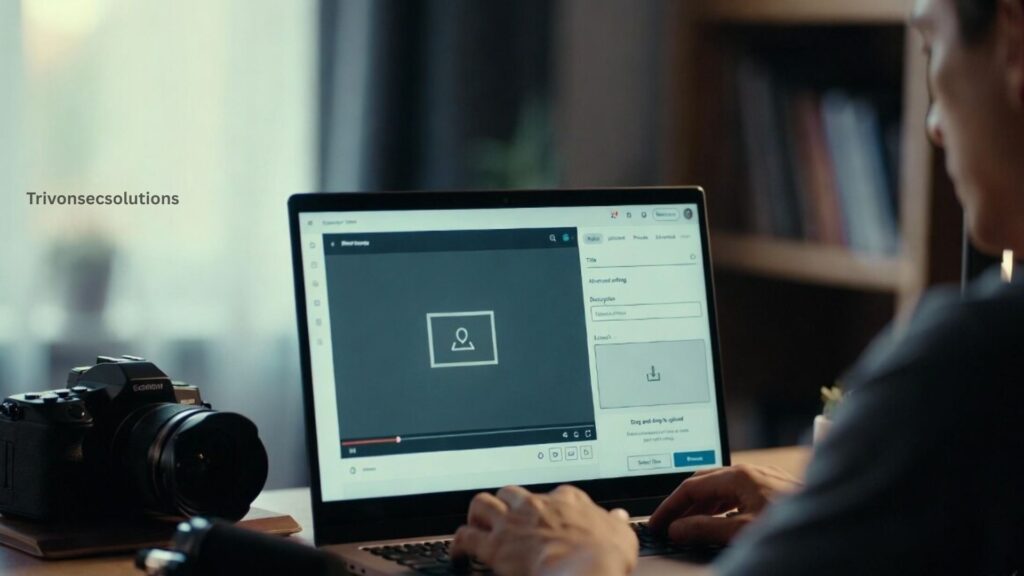
When uploading a video, the title matters a lot.
A vague title doesn’t help anyone. Try to make it clear and descriptive.
For example:
Bad title
“SEO Tips”
Better title
“5 Simple SEO Tips for Beginners in 2026”
The description is also important. You don’t need to write a huge essay, but at least explain what the video is about.
Add a few natural keywords and maybe a link back to your website or article.
Search engines use this information to understand the content of the video.
Add Video Transcripts
Search engines can’t actually watch a video like humans do. They rely mostly on text.
That’s why transcripts can help.
A transcript is simply the written version of what’s being said in the video. Adding it to your page gives search engines more context about the topic.
It also helps people who prefer reading instead of watching.
And honestly, sometimes people watch videos on mute, especially on mobile. So having text available can be useful.
Another small benefit is that transcripts add extra content to your page, which might help you rank for additional keywords.
Use Video Schema Markup
This part sounds technical but it’s not as scary as it sounds.
Schema markup is basically structured data that helps search engines understand your content better.
When you add video schema, you give information like:
- video title
- description
- duration
- thumbnail
- upload date
Sometimes when Google understands your video properly, it may show a rich result with a video preview in search results.
Those results usually attract more clicks because they stand out visually.
Thumbnails Matter More Than You Think
The thumbnail is the image people see before clicking a video.
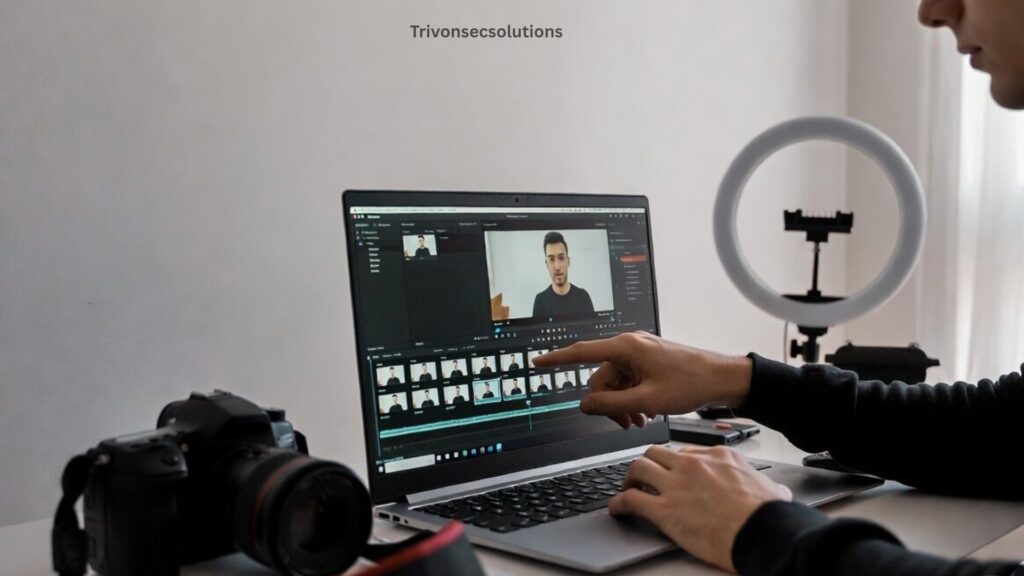
A boring or unclear thumbnail can reduce clicks even if the content is great.
Good thumbnails usually:
- have bright colors
- show the main subject clearly
- include a few words of text
- create curiosity
Think of the thumbnail as the cover of a book. If it looks interesting, more people will click.
Higher click-through rates often help videos perform better.
Place Videos Naturally in Your Content
Another small detail that people overlook is where the video appears on the page.
Usually it’s better not to hide the video at the bottom of the article where nobody sees it.
Many websites follow a simple structure:
Short introduction
Then the video
Then the rest of the article
That way visitors can immediately decide whether they want to watch or read.
Some people will watch the video first and then skim the text afterward.
Don’t Slow Down Your Website
Videos are great but they can also slow down your site if not handled properly.
Large files can increase loading time, and slow websites hurt SEO.
That’s why embedding videos from platforms like YouTube or Vimeo is often better than hosting them directly.
Page speed is still an important ranking factor, especially on mobile devices.
So always try to keep your pages lightweight.
Encourage Sharing
Videos naturally get shared more often than text posts.

If viewers find your content helpful or entertaining, they may share it on social media platforms.
More visibility means more people discovering your website.
Sometimes bloggers or website owners might even link to your video or article as a reference.
And those backlinks help your SEO even more.
Try Using Videos Across Your Website
Videos don’t have to exist only in blog posts.
They can be useful in different parts of a website.
For example:
On product pages you can show how a product works.
On landing pages you can explain your service quickly.
On FAQ pages you can answer common questions with short videos.
This makes the whole website feel more interactive.
Track What Works
Like any marketing strategy, it helps to track results.
Platforms like YouTube provide analytics that show how people interact with your videos.
You can see things like:
- watch time
- audience retention
- traffic sources
- click-through rate
These numbers tell you what kind of videos people enjoy the most.
Over time you can improve your content strategy based on that information.
Consistency Is Important
One thing many people misunderstand is expecting results from just one video.
SEO rarely works like that.
Consistency matters.
If you regularly publish useful videos along with written content, your website and channel both grow slowly over time.
You don’t need expensive equipment either. Even simple videos recorded with a phone can work if the information is helpful.
People care more about useful content than perfect production quality.
Also Read: How to Measure the Success of Your SEO Campaign – 2026
Conclusion
In simple terms, learning how to use video to improve your SEO can help make your content more engaging and easier for people to understand. Videos can increase the time visitors spend on your website, improve user experience, and give your pages a better chance to appear in search results.
However, the key is to create useful and relevant videos instead of adding them randomly. When videos provide value to your audience and are properly optimized, they can become a strong part of your overall SEO strategy and help bring more traffic to your website.
Frequently Asked Questions (FAQs)
Q. How does video help improve SEO?
Video helps improve SEO by increasing user engagement. When visitors watch a video, they usually spend more time on the page, which signals to search engines that the content is useful.
Q. Do videos help websites rank higher on Google?
Yes, videos can help improve rankings because they make content more engaging. Google also sometimes shows video results in search pages, which can increase visibility.
Q. Is YouTube useful for SEO?
Yes, YouTube is the second largest search engine, and videos uploaded there can appear in Google search results. Embedding YouTube videos in blog posts can also improve user experience.
Q. Do I need professional equipment to create SEO videos?
No, professional equipment is not necessary. Even simple videos recorded with a smartphone can work well if the content is helpful and clear.
Q. Should every blog post include a video?
Not always. Videos should only be added when they provide extra value or help explain the topic better. Quality and relevance are more important than quantity.