
How to use social media to boost your SEO in 2026 isn’t some abstract theory anymore. Social media used to be treated like a side thing. You posted updates, maybe replied to a few comments, ran an ad here and there, and moved on. SEO lived in a totally different world—keywords, backlinks, technical fixes, rankings. Very separate lanes.
That separation doesn’t really exist anymore.
By late 2025, there are around 5.6 billion people using social media. That’s not just a fun stat to throw around. That’s billions of people searching, asking questions, sharing links, talking about brands, and forming opinions in public. And all of that activity bleeds into search results now, whether we like it or not.
So this article is about how social media actually helps SEO in 2026. Not in some vague, “social signals matter” way, but in practical ways you can actually use without overthinking the whole thing.
How Social Media Is Changing SEO
SEO used to feel controlled. You could do “the right things” and usually see results. Social media feels messier. People react in ways you can’t predict. Posts blow up or completely flop for no obvious reason.
Search engines are leaning more toward that messiness.
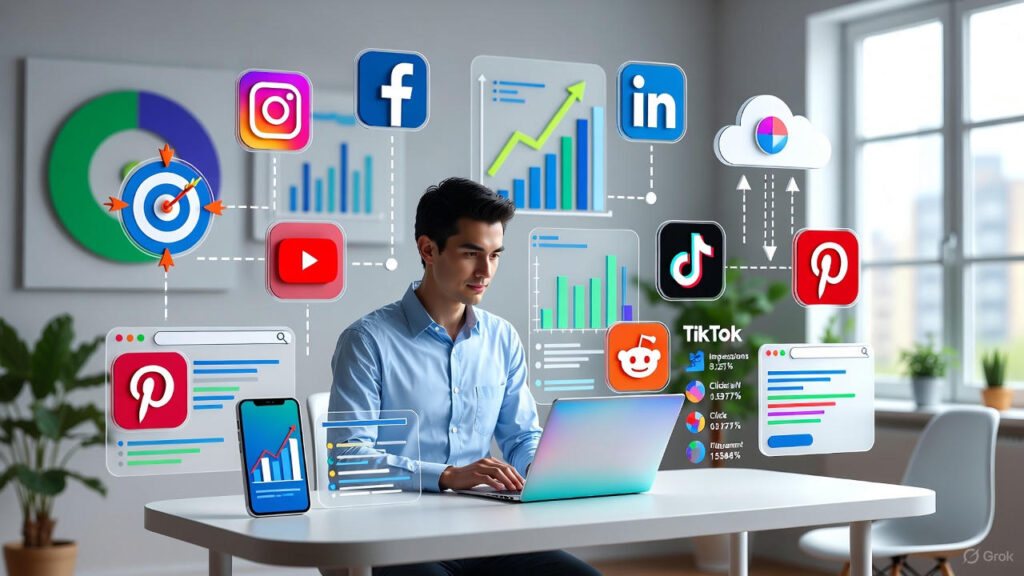
When content gets shared, commented on, or mentioned a lot, it tells search engines something important: real people care. That’s hard to fake consistently. Even if Google doesn’t directly count likes or shares as ranking factors, the behavior around that content matters.
Content that gets attention spreads. Content that spreads earns links. Links still matter. So yeah, social media is now part of SEO whether you plan for it or not.
How to Use Social Media to Boost Your SEO in 2026
Here’s the basic idea: if your content does well on social platforms, it has more chances to do well in search later.
Say you post something helpful on X or LinkedIn. A few people share it. Someone saves it. Another person links to it from a blog. That didn’t start as an SEO tactic, but now you’ve got traffic and a backlink.
In 2026, this happens more often because social content is more visible outside the platforms themselves. Public Instagram professional accounts, for example, can show up in Google results now. Same with Reddit threads, LinkedIn posts, and X conversations.
Your social profiles also show up when people search your brand. That first impression matters more than people think. If your profiles look empty or outdated, that’s not helping your credibility.
Paid social helps too, in a quieter way. Ads introduce people to your content. Some of those people search for you later. Branded searches are a strong signal. It all stacks up.
Also Read: How to Use Schema Markup to Boost Your SEO (Updated 2026)
Social Shares: A Hidden SEO Advantage
There’s a lot of arguing online about whether social shares help SEO. Technically, no, they’re not a direct ranking factor. But that’s not the full story.
Shares create visibility. Visibility creates opportunities.
If nobody sees your content, nobody links to it. Simple as that. When content gets shared, it has a chance to land in front of bloggers, journalists, creators, or business owners who might reference it later.
So while shares themselves don’t push rankings, the things that happen after shares absolutely do.
The Power of Social Signals
In 2026, social signals are more like background noise that search engines listen to. They’re not the main signal, but they help shape the overall picture.

Likes, comments, reposts, mentions—these show that a brand is active and that people interact with it. Bing openly uses this stuff. Google is more quiet about it, but user behavior clearly matters.
At the very least, strong social engagement improves trust. People click more. They stay longer. They’re more likely to link later. All of that feeds back into SEO.
Social Content and AI Search
This part matters a lot right now.
- AI search tools like ChatGPT and Google AI Overviews pull information from public online content. That includes social media. Especially Reddit, LinkedIn, and public conversations.
- So yes, what you post on social can influence how AI tools describe your business.
- That’s why social posts shouldn’t be vague or lazy. Answer real questions. Use accurate language. Say what you actually do. Keep profiles updated.
- If AI systems are trying to understand your brand, they’re going to look for consistent, public information. Social content is a big part of that.
Your Social Profiles Are SEO Assets
A lot of businesses treat social profiles like a checklist item. Logo, one sentence bio, link. Done.
But those profiles often rank for your brand name. They’re often the first thing people click. And they’re public, crawlable pages.
Adding relevant keywords, keeping your info consistent, and actually posting once in a while helps more than people realize. It’s basic, but it works.
Strong profiles also earn backlinks naturally. People link to them when referencing your brand. That helps local SEO too.
Link Building Through Social Media
- Social media isn’t traditional link building, but it’s where a lot of links start.
- When you show up consistently and share useful things, people remember you. They trust you more. Eventually, they link to your content without you asking.
- This doesn’t work if you just drop links and disappear. It works if you participate, answer questions, and actually engage.
- Social is relationship-building. Links are often a side effect of that.
Social Bookmarking Still Works
Pinterest and Reddit still matter, even if they’re not trendy.
Pinterest works like a search engine. A good pin can send traffic for months. Reddit works more like a massive archive of discussions where helpful content resurfaces.
Social Media Ads and SEO: A Winning Combo
By the end of 2025, social ads made up about one-third of digital ad spending. That’s because they work.
Ads don’t directly affect rankings, but they support SEO in indirect ways. More traffic. More engagement. More people recognizing your brand.
When people see your ad and then search for you later, that’s a strong signal. Paid and organic don’t have to compete. They can support each other.
Also Read: The Importance of Internal Linking for SEO – (Updated 2026)
How to Measure Social SEO Success
You don’t need complicated reports.
Track:
- Engagement (likes, shares, comments)
- Traffic from social platforms
- Brand mentions
- Backlinks
- AI visibility
If those numbers are moving, social is helping your SEO. If they’re flat, something’s off.
The Future of Social Media and SEO
- SEO and social are only getting closer. Video, influencers, AI discovery, and social listening all play a role now.
- Brands that treat social as part of search—not just marketing—will have an easier time staying visible.
Platform-Specific Tips for Better SEO
Quick notes by platform:
Instagram: use keywords, add alt text, collaborate when it makes sense.
Facebook: groups still work, share content people care about, use ads wisely.
Pinterest: optimize boards, link back, focus on visuals.
YouTube: titles, descriptions, transcripts, engagement.
LinkedIn: complete your page, share insights, engage.
Reddit: participate first, promote later.
TikTok: trends help, clarity matters, guide users toward your site.
Social + SEO in 2026: One Unified Strategy
In 2026, social media and SEO aren’t separate anymore. Social activity fuels visibility, links, brand searches, and even AI mentions.
If you want to grow, you need one connected approach.
If you’re ready to align your SEO, social, and AI strategy into something that actually works, reach out to Coalition Technologies. The goal isn’t just rankings—it’s being visible wherever people search, scroll, or ask questions.