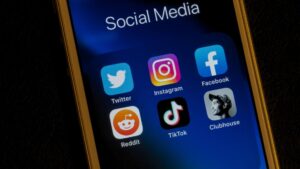

Ultimate Guide to Social Media Monitoring for Marketers Social media monitoring… it’s wild. Seriously. You post something, and then boom—people are talking about you. Sometimes it’s good, sometimes it’s really not. And if you’re a marketer thinking, “yeah, I’ll just check my mentions when I have time,” well… good luck, because that’s not gonna cut it. Social media monitoring is basically your only chance to keep up with the chaos and actually know what’s going on before it’s too late.
But here’s the thing—it’s not just about seeing what people say. It’s about spotting patterns, noticing problems before they explode, and figuring out what’s actually working. Most people don’t do it right. They just post stuff, hope it sticks, and then shrug when nothing happens. Don’t be that person.
So yeah, this guide… I’m going to ramble through it a bit, but you’ll get the idea. We’ll cover why social media monitoring matters, which tools can actually help, and how to build a strategy that doesn’t make you pull your hair out. By the end, you’ll see why paying attention to all the chatter online isn’t just helpful—it’s essential if you want your marketing to actually work.
Why Social Media Monitoring Matters
Look, posting content isn’t enough. Liking your own posts isn’t enough. People are talking about your brand whether you know it or not. Maybe they’re complaining, maybe they’re praising, maybe they’re… I dunno, making memes about you.
Social media monitoring is basically listening. Like really listening. Not just scrolling your notifications but actually paying attention to what people are saying, feeling, thinking. And then, responding. Or using that info to make your next post better.
Honestly, if you don’t do it, you’re flying blind. Someone complains, it goes viral, and suddenly your brand’s in crisis mode. Monitoring = spotting stuff early, reacting fast. Simple as that.
Why You Even Bother
Okay, so what’s in it for you? A lot, actually.

1. Brand Reputation
Your brand’s reputation? Not what you say. It’s literally what people say about you when you’re not looking. Someone tweets that your product sucks? You respond. Someone posts a love story about your service? You amplify it. That’s basically it.
Small example: delivery’s late. Customer tweets. You respond, maybe apologize, maybe offer something. Boom. Suddenly you look human. You’re not some faceless brand.
2. Audience Engagement
Social media isn’t a billboard. It’s a conversation. If you’re not in it, someone else is. Monitoring lets you jump in. Questions, comments, mentions—respond. Even little things count.
Like, someone asks about a feature at 10 p.m., you answer 10 minutes later. Doesn’t sound big, but people notice. It makes your brand feel human. And humans like that.
3. Competitors
Yeah, your competitors are posting too. Why not watch them? What’s working for them? Where are they failing? Who’s engaging?
Don’t copy, just learn. If they’re doing something good, maybe tweak it for your brand. If they’re messing up, maybe you can do it better. Easy.
4. Crisis Management
Crises happen. Social media monitoring is like your early warning system. Spike in negative mentions? Viral complaints? Detect it early. Respond fast. Damage control.
Think of it like a fire alarm. Sometimes it’s annoying, sometimes false alarm, but when fire actually comes, you’re glad it’s there.
Tools You Can Actually Use
Okay so, scrolling manually? Forget it. Tools are your best friends. Some good ones:
Hootsuite
Classic. Schedule posts, track mentions, hashtags. Works if you manage multiple accounts. Not fancy, but solid.
Brandwatch
Tracks sentiment, mentions, influencers. Deep insights. Good if you want to know not just what people say but how they feel.
Mention
Real-time alerts. Keywords, hashtags, brand mentions. Perfect for fast responses.
BuzzSumo
Content-focused. Shows what’s trending, what competitors post, which influencers matter. Helps you know what’s actually resonating.
Sprout Social
Hybrid of Hootsuite + Brandwatch. Monitor, schedule, analytics. Smart Inbox keeps track of all mentions and messages. Makes life easier.
How To Even Make a Strategy
Tools alone? Not enough. All that data is useless if you don’t know what to do. So here’s a messy human version of a strategy:

- Review & Adjust – Trends change. Crises happen. Audience shifts. Review data, tweak. Done.
- Set Goals – What do you even want? Engagement? Track mentions? Stop crises? Spot influencers? Write it down.
- Pick Metrics – Not everything matters. Engagement, sentiment, reach, share of voice. Track what tells you something useful.
- Pick Tools – Match your goals to tools. Don’t pay for expensive stuff you don’t need.
- Assign People – Someone has to do it. Monitoring and responding. Don’t leave it floating.
Also Read: Understanding Social Media Metrics for Effective Marketing
Conclusion
Look, social media monitoring isn’t optional. It’s messy, noisy, unpredictable, but if you don’t do it, you’re blind. Start small. Track mentions, watch competitors, analyze trends. Build from there.
It’s not about perfection. It’s about paying attention, responding, learning. That’s it. Do that, and your marketing will be way better.
Note: Visit our Service Page for Digital Marketing Services.
Frequently Asked Questions (FAQs)
Q1. What is social media monitoring?
Tracking what people say about your brand online and using that info to make decisions.
Q2. How does social media monitoring help marketers?
Protects reputation, helps engagement, learns from competitors, spot problems early.
Q3. Which social media monitoring tools are the best?
Hootsuite, Brandwatch, Mention, BuzzSumo, Sprout Social. Depends on your needs and budget.
Q4. How often should I analyze my social media monitoring data?
Weekly, monthly, quarterly… whatever fits.
Q5. Can social media monitoring help with crisis management?
Yep. Catch issues early. Respond fast. Minimize damage.